A Nursing Framework for Adolescent Type 2 Diabetes Prevention Based on an Integrated Health Behavior Theory
Indah Puspitasari1*, Amzal Mortin Andas2, Meria Woro L1, Fauziah H Wada3, Lu’lu’a Lanadiayanna4
1Department of Community Nursing, Universitas Bani Saleh, Kota Bekasi, Jawa Barat 17113, Indonesia
2Department of Medical Surgical Nursing, Universitas Bani Saleh, Kota Bekasi, Jawa Barat 17113, Indonesia
3Department of Maternity Nursing, Universitas Bani Saleh, Kota Bekasi, Jawa Barat 17113, Indonesia
4Department of Pediatric Nursing, Universitas Bani Saleh, Kota Bekasi, Jawa Barat 17113, Indonesia
*Corresponding Author’s Email: indahpuspitasari.ners@gmail.com
ABSTRACT
Background: The increasing prevalence of Type 2 Diabetes Mellitus (T2DM) among adolescents necessitates the development of a nursing-oriented theoretical framework to guide preventive practices addressing lifestyle-related risk behaviors. Existing health behavior theories, including the Health Belief Model, Theory of Planned Behavior, Social Cognitive Theory, and stage-based models, provide valuable insights but remain limited when applied independently. This study proposes the Adolescent Diabetes Prevention Integrated (ADPI) Model as a comprehensive framework integrating rational, emotional, social, behavioral, and ecological dimensions across three motivational phases: pre-motivational (awareness), motivational (intention), and post- motivational (action and maintenance). Methods: This study employed a methodological research design with an embedded cross-sectional empirical validation phase. The model was developed through a structured theoretical synthesis, including narrative review, conceptual analysis, and integrative model construction. The model was empirically tested on 200 senior high school students. Content validity was evaluated through expert judgment, while construct validity and reliability were assessed using Exploratory Factor Analysis (EFA) and internal consistency testing. Structural relationships among variables were analyzed using Structural Equation Modeling (SEM). Results: The model identified four key domains: cognitive–motivational determinants, social–environmental influences, behavioral regulation, and emotional reactivity and support. Content validity was excellent (S-CVI/Ave = 0.94). EFA confirmed a four-factor structure (KMO >= 0.89; variance explained = 71.7%). Reliability was high (α = 0.83–0.89; overall α = 0.91). Conclusion: The ADPI Model demonstrates strong validity and reliability, offering a comprehensive, theory-based framework to support evidence-based adolescent T2DM prevention interventions.Keywords: Adolescents; Integrated Health Behavior Theory; Nursing Framework; Preventive Nursing; Type 2 Diabetes Prevention
INTRODUCTION
Over the last ten years, Type 2 Diabetes Mellitus (T2DM) in teenagers change from being an uncommon diagnosis to an emerging worldwide epidemic. This increase is strongly associated with poor eating habits, less exercise, higher obesity levels, and more time spent in digital spaces that promote sedentary behavior (Jebeile et al., 2020). New studies show that prolonged time spent in front of a screen and using algorithm-influenced content can increase metabolic risk in young people (Robinson et al., 2017). Adolescents are affected by the influence of social contact, emotional response, and social online systems, which further complicate health behavior modification during this phase. There is a relevant shortage of empirical data, and the results are not specific enough, so a more defined theory is necessary. From a nursing point of view, these realities point to the necessity of individualized health education, therapeutic communication, and supportive counselling the basics of nursing, which are known to affect the willingness of adolescents to engage in primary preventive behaviors, and the complexities here are significant, motivational interviewing, health promotion counseling, etc. Identifying psychosocial stress, peer influence behaviors, and online systems is where nursing practice makes the most impact in explaining and providing guidance on adolescents’ eating habits, physical inactivity, and their risk of chronic diseases, especially T2DM (Patton et al., 2018).
Furthermore, from an advanced nursing science perspective, adolescent health behavior should not only be interpreted as an individual cognitive process but also as a dynamic interaction between biological maturation, psychosocial adaptation, and environmental exposure, where nurses play a pivotal role as behavior-change facilitators through continuous assessment, personalized intervention, and evaluation frameworks grounded in holistic care principles (Tariq et al., 2025).
Several prominent health behavior theories have long guided prevention efforts for lifestyle-related chronic diseases. These include the Social Cognitive Theory (SCT), Health Belief Model (HBM), Theory of Planned Behavior (TPB), and the Transtheoretical Model (TTM). Each represents the evolution of earlier conceptual work. These theories have collectively influenced the prevailing comprehension of behavioral determinants in public health and provide an essential theoretical foundation for nursing-based preventive strategies, particularly in designing behavior-change interventions, promoting self-management skills, and strengthening adolescents’ capacity to adopt healthier lifestyle behaviors. In this context, nursing science offers a unique contribution by integrating these behavioral constructs into a structured clinical reasoning process, ensuring that theoretical determinants are translated into actionable and measurable interventions across prevention levels. In light of contemporary adolescent lifestyles, traditional health behavior theories are increasingly being criticized despite their significant contributions. Academics contend that these frameworks frequently oversimplify intricate behavioral processes, exhibit inconsistent predictive validity, and fail to adequately account for influences from the digital age, such as mobile health apps, online peer dynamics, and customized digital content (Course-Choi & Hammond, 2021; Paul & Headley-Johnson, 2025). These limitations are especially problematic in adolescent T2DM prevention, where media exposure, emotional regulation, school and family contexts, and social-network interactions exert strong and simultaneous influences. Additionally, recent research highlights how digital ecosystems radically alter motivation and health decision-making in ways that traditional models did not fully account for (Jebeile et al., 2020). In response to these gaps, contemporary nursing theory research emphasizes the need for integrative, multi-theoretical model development to advance middle-range and practice-based nursing theories, as these models offer greater explanatory and predictive capacity while facilitating the operationalization of complex behavioral constructs within structured nursing processes. A more accurate depiction of the complex nature of teenage behavior is made possible by incorporating concepts like self-efficacy, risk perception, social norms, motivation, affect regulation, and environmental influences. This strategy is also consistent with new research showing that hybrid digital-behavioral interventions, like those that use online peer interaction, have more promising results in changing lifestyle choices related to the risk of type 2 diabetes (Izmaylov, 2022; Puspitasari et al., 2021).
There is a notable difficulty in knowing how to promote health sustainably for adolescents. The reason is that there is a need to understand how to promote health within the patterns, behaviors, and characteristics of this age group. This is from a social, situational, environmental, and developmental level, as well as the risk behaviors typical of this age group as described in health behavior theory (Liao et al., 2025). Existing theories, on the other hand, do a good job of explaining these theories at the intrapersonal level. But there is a big gap in these theories on the holistic nursing perspective, the comprehensive assessment of the family systems and community and environment. These factors are crucial for understanding the adolescent and how he is sensitive to peer norms and social networks, as well as the heightened social media networks. These gaps in health promotion underscore the need for a multi-faceted integrated nursing theory that will allow community health nurses to address all the factors at the community level for tailored health education that is multi-targeted and based on motivational counseling. in this case, ADPI addresses the Gap based on nursing principles, and these theories need to be grounded and provide a framework for behavioral integration based on nursing theories. These gaps and empirical integration of these theories, together with psychosocial integration, family integration, and community integration, will provide the needed integration in identified strategies. The gaps identified in integration also focused on the adolescents in empirical social theories, nursing's holistic integration in the theories, the integration of multiple gaps, and the integration of practice, and this was validated through expert nursing theory integration (Koulouvari et al., 2025).
Despite the extensive application of established health behavior theories, there remains a critical gap in translating these conceptual models into an operational nursing framework that is both clinically applicable and contextually adaptive for adolescents. Existing studies predominantly focus on isolated behavioral determinants or single-theory approaches, with limited integration of psychosocial, familial, digital, and community-level influences within a unified intervention model. Therefore, the novelty of the proposed ADPI-based model lies in its ability to operationalize multi-theoretical behavioral constructs into a structured nursing process framework Assessment, Diagnosis, Planning, and Intervention specifically tailored for adolescent health behavior modification in the context of T2DM prevention. Unlike previous models, this approach integrates digital behavior exposure, psychosocial dynamics, family systems, and community context into each stage of the nursing process, enabling a more comprehensive, adaptive, and clinically actionable intervention model. Additionally, the ADPI model bridges the gap between theory and practice by transforming abstract behavioral determinants into measurable nursing outcomes, thereby enhancing both the predictive and practical value of health behavior interventions. This integrative approach not only strengthens the theoretical foundation of adolescent health promotion but also advances nursing practice by providing a scalable and evidence-informed framework capable of addressing the evolving challenges of digital-era health behaviors.
METHODOLOGY
This study employed a methodological research design in nursing science aimed at developing and validating an integrated behavioral model, with an embedded cross-sectional empirical validation phase to examine its operational feasibility and psychometric properties in an adolescent population (Vries, 2017). The methodological approach involved a structured theoretical synthesis, including a narrative review, conceptual analysis, and integrative model development. The methodological approach followed a structured theoretical synthesis, including narrative review, conceptual analysis, and integrative model development (Yeşİldal, 2025; Glanz & Bishop, 2010). Instrument validity was assessed using content validity through the Content Validity Index (CVI), followed by construct validity testing using Exploratory Factor Analysis (EFA) and, where necessary, Confirmatory Factor Analysis (CFA), while reliability was evaluated using Cronbach’s alpha and composite reliability. Structural relationships among variables were analyzed using Structural Equation Modeling (SEM). The study involved 200 senior high school students aged 15–18 years selected through purposive sampling based on predefined inclusion and exclusion criteria (Li, 2024; Lee et al., 2025).
Model Construction Procedures
The development of the integrated theoretical model followed iterative conceptual refinement. Initial matrices of constructs were developed to visually map theoretical convergence (e.g., between self-efficacy in SCT and perceived behavioral control in TPB) and identify missing links relevant to adolescent T2DM risk such as screen-time exposure, social media influence, and family dietary norms. The model was then organized into hierarchical layers reflecting intrapersonal, social, cognitive, and environmental domains consistent with ecological health behavior frameworks. Feedback from experts in adolescent health, behavioral science, and community medicine (n = 3) was used to refine conceptual coherence and ensure contextual relevance.
Validity and Reliability Testing
The instrument underwent a multi-stage validation process to ensure its psychometric robustness. Content validity was first assessed through expert judgment involving nursing and public health specialists who evaluated item relevance, clarity, and representativeness. The Item Level Content Validity Index (I-CVI) and Scale-Level CVI (S-CVI) were calculated, with minimum acceptance thresholds of 0.78 and 0.80, respectively. Items not meeting these criteria were revised or removed. Following content validation, construct validity was examined using Exploratory Factor Analysis (EFA) to identify underlying factor structures consistent with the theoretical model. Sampling adequacy was confirmed through the Kaiser Meyer Olkin (KMO) test and Bartlett’s Test of Sphericity. Factors were retained based on eigenvalues >1.0 and loading values ≥0.40. If required, Confirmatory Factor Analysis (CFA) was performed to further test model fit. Instrument reliability was evaluated using Cronbach’s alpha to assess internal consistency for each construct, with α ≥ 0.70 considered acceptable. Composite reliability (CR) and item-total correlations were also computed to ensure stability and coherence of the measurement items. Items that decreased reliability (alpha-if-item-deleted) were reviewed and refined. This study involved 200 respondents who were senior high school students with non-probability sampling techniques, specifically purposive sampling. Inclusion criteria consisted of adolescents aged 15–18 years, enrolled as active students, able to comprehend the questionnaire, and willing to participate with informed consent. Exclusion criteria included students with diagnosed chronic illnesses requiring intensive medical management, or those who were absent during the data collection period.
Ethical Consideration
This study was approved by the Health Research Ethics Committee of Bani Saleh University, Indonesia with the reference number EC.265/KEPK/UBS/VII/2025, on 15th July, 2025.
RESULTS
Model Construction Procedures
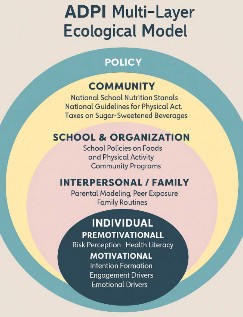
Figure 1: Adolescent Diabetes Prevention Integrated Model
The ADPI Multi-Layer Ecological Model demonstrates that adolescent diabetes prevention behavior is influenced by interconnected factors across multiple levels. Individual factors (risk perception, health literacy, intention, and emotional drivers) form the core, supported by interpersonal influences (family and peers), organizational contexts (schools and programs), community regulations, and overarching policy environments. This layered structure highlights that behavior is shaped by both internal processes and external ecological supports (Figure 1).
Validity and Reliability
Table 1: Content Validity Results
Component
Indicator
Result
Number of experts
-
3 experts
I-CVI range
-
0.80 - 1.00
S-CVI/Ave
Acceptable ≥ 0.80
0.94
S-CVI/UA
Acceptable ≥ 0.80
0.86
Items revised
-
3 items (clarity improvements)
Items deleted
-
None
Table 1 shows the content validity results indicate that the instrument demonstrates a high level of validity. Evaluation by three experts yielded I-CVI values ranging from 0.80 to 1.00, indicating that all items were considered relevant to highly relevant. The S-CVI/Ave value of 0.94 and S- CVI/UA value of 0.86 both exceeded the acceptable threshold of 0.80, confirming overall content validity. Only three items were revised to improve clarity, and no items were deleted, suggesting that all components of the instrument were retained and are suitable for further analysis.
Table 2: Construct Validity (EFA) Results
Test / Component
Result
Interpretation
KMO
0.89
Meritorious sampling adequacy
Bartlett’s Test of Sphericity
χ²(435)=2845.62, p < 0.001
Correlations suitable for factor analysis
Number of factors extracted
4
Consistent with theoretical domains
Cumulative variance explained
71.7%
Above minimum recommended (≥ 60%)
Eigenvalues
6.42; 4.21; 3.18; 2.11
All > 1.0
Loading criteria
≥ 0.40
All items met the threshold
Cross-loadings
< 0.30
No problematic cross-loading
Table 2 shows construct validity results from the Exploratory Factor Analysis (EFA) indicate that the instrument has a strong and well-structured factor model. The KMO value of 0.89 reflects meritorious sampling adequacy, while Bartlett’s Test of Sphericity (χ²(435)=2845.62, p < 0.001) confirms that the data are suitable for factor analysis. Four factors were extracted, consistent with the proposed theoretical domains, explaining 71.7% of the total variance, which exceeds the recommended minimum of 60%. All eigenvalues were above 1.0, supporting factor retention. Additionally, all items met the loading criterion (≥ 0.40) with no problematic cross-loadings (< 0.30), indicating clear factor structure and good construct validity.
Table 3: Reliability Results
onstruct
Cronbach’s Alpha (α)
Composite Reliability (CR)
Item-Total Correlation Range
ognitive–Motivational Determinants
0.89
0.90
0.48–0.71
ocial–Environmental Influences
0.87
0.88
0.45-0.69
ehavioral Regulation
0.85
0.86
0.42-0.63
motional Reactivity and Support
0.83
0.81
0.44-0.60
verall Instrument
0.91
-
0.42-0.71
Table 3 shows reliability analysis indicates that all constructs demonstrate good to excellent internal consistency. Cronbach’s alpha values range from 0.83 to 0.89 across the four constructs, while composite reliability (CR) values range from 0.81 to 0.90, all exceeding the acceptable threshold of 0.70. The item-total correlation values (0.42–0.71) further confirm that each item contributes adequately to its respective construct. The overall instrument shows excellent reliability with a Cronbach’s alpha of 0.91, indicating high stability and consistency, and supporting its suitability for measuring adolescent diabetes prevention constructs.
Table 4: Validity and Reliability Outcomes
Category
Result
Interpretation
Content validity
Excellent (S-CVI/Ave = 0.94)
Items highly relevant and representative
Construct validity
Strong (KMO = 0.89; 4-factor model)
Factor structure supports theoretical model
Reliability
Excellent (α = 0.91)
Instrument internally consistent
Table 4 shows overall validity and reliability outcomes indicate that the instrument is robust and psychometrically sound. Content validity is rated as excellent (S-CVI/Ave = 0.94), confirming that the items are highly relevant and representative of the construct. Construct validity is strong, as reflected by a high KMO value (0.89) and a four-factor structure that aligns well with the theoretical model. Additionally, the instrument demonstrates excellent reliability (Cronbach’s α = 0.91), indicating high internal consistency. Collectively, these results support the instrument’s suitability for accurately measuring adolescent diabetes prevention constructs.
Table 5: Structural Model Results (SEM Result)
Path
β (Path Coefficient)
t-value
p-value
Result
Cognitive → Behavioral
0.42
5.87
<0.001
Supported
Social → Behavioral
0.36
4.92
<0.001
Supported
Emotional → Behavioral
0.29
3.98
<0.001
Supported
Behavioral → T2DM Prevention
0.51
6.45
<0.001
Supported
Table 5 shows structural model analysis demonstrates that all hypothesized relationships are statistically significant. Cognitive–motivational determinants showed a strong positive effect on behavioral regulation (β = 0.42, p < 0.001), followed by social–environmental influences (β = 0.36, p < 0.001) and emotional reactivity and support (β = 0.29, p < 0.001). Furthermore, behavioral regulation had the strongest direct effect on adolescent T2DM preventive behavior (β = 0.51, p < 0.001). These findings indicate that behavioral regulation serves as a key mediating construct linking multidimensional determinants to preventive health behaviors.
DISCUSSION
Integrated Model Development in Nursing: Refining Theoretical Coherence Through Validity and Reliability Evidence
The separation of integrating and combining theories is particularly important in the field of nursing science, where theoretical precision is necessary in order to design successful interventions. When mixing and matching between theories (e.g., putting elements of HBM with TPB), usually it gets redundancy or conceptual overlap, which may decrease clarity and practical value for clinical work. This also is consistent with results that additive models do not greatly enhance the prediction of young adult health behaviors (Riebl et al., 2015; Jha et al., 2023). By contrast, theorizing is a more rigorous process that requires theoretical grounding and either empirical corroboration or generation of new testable hypotheses. The integrated models, which are based on such theories as HAPA, HBM, and TPB or some of their constructs, are developed with the aim of having conceptual consistency and including deficiencies of these theories. These models appear to have better explanatory power and predictive as well as interventional potential about the dietary and lifestyle behaviors of adolescents because they include a more extensive set of cognitive precursors (Jha et al., 2023). In addition, construct validity of the model, indicated by EFA outcomes (KMO = 0.89; cumulative explained variance = 71.7%), suggests that the combined TDFs aggregate into existing meaningful factors. This structure of factors reflects the processes highlighted in integrated models like that reported by (Liu et al., 2025; Moitra et al., 2021) who emphasize the interplay of self-efficacy, planning, norms, and affective processes. Consequently, the empirically validated framework of the ADPI model is more parsimonious and offers nursing researchers greater opportunity to direct their focus resources on collecting data that test selected relationships.
Reliability testing also confirmed strong internal consistency (overall α = 0.91), which speaks to the stability of the constructs foundational to nursing intervention design. Having reliable instruments allows nurses to measure the motivational, social, and emotional factors in a way that enables appropriate targeting of interventions by phase. This also aligns with evidence on emotional and social factors being a primary focus, as in (Liu et al., 2025) which are major components of the adolescents’ decision-making process.
Despite the advantages of theoretical integration presented in this study, it is important to critically acknowledge that the process of synthesizing constructs across multiple theories may still mask important contextual nuances, particularly in adolescent populations where behavior is highly dynamic and situational (Casale et al., 2023; Koulouvari et al., 2025). While the model demonstrates strong explanatory capacity, it may not fully capture temporal variability, such as rapid shifts in motivation, peer influence, or digital engagement patterns. This highlights an inherent limitation of cross-sectional theoretical models, which tend to represent behavior as relatively stable rather than fluid and context dependent. Therefore, the ADPI framework should be interpreted as a structured yet adaptive model, requiring continuous refinement through
longitudinal and context-sensitive validation (Jiang et al., 2025). In comparison with established frameworks such as the Health Belief Model (HBM), Theory of Planned Behavior (TPB), Social Cognitive Theory (SCT), and the Health Action Process Approach (HAPA), the proposed ADPI model offers several conceptual and practical distinctions. Established theoretical frameworks often emphasize specific domains such as cognitive perceptions in HBM, intention formation in TPB, or self-efficacy in SCT without fully integrating emotional, environmental, and digital influences within a unified structure (McNeil, 2024). While integrated models like HAPA have advanced the field by linking motivational and volitional phases, they still provide limited operational guidance for clinical implementation. In contrast, the ADPI model extends beyond explanatory theory by embedding these multidimensional constructs within the nursing process (Assessment, Diagnosis, Planning, and Intervention), thereby enhancing its applicability for structured, stage-based nursing interventions (Hants et al., 2023). However, unlike these well- established models that have undergone extensive validation across populations and contexts, the ADPI model remains at an early stage of empirical development and requires further comparative testing to determine its relative effectiveness and applicability.
Phase-Specific Mechanisms and Their Relevance to Nursing Practice
Integrated models of adolescent behavior change identify key determinants in different motivational phases, including outcome expectancies, perceived severity, subjective norms, self- efficacy, intentions, and planning (Liu et al., 2025; Tapera et al., 2020). The ADPI-Model’s validated structure supports this phased framework, with its four-factor solution efficiently covering these domains. From a nursing perspective, these validated constructions represent actionable entry points for interventions. For example, outcome expectancies and perceived severity can be addressed during the pre-motivational phase through health education and risk communication. In the motivational phase, the validated Social–Environmental Influences construct justifies interventions related to peer norms, family support, and digital exposure, all of which significantly influence adolescent intentions (Sahi et al., 2023; Kadhim & Alkhaqani, 2026).
The model’s accurate measurement of emotional reactivity is particularly relevant to nursing, given that emotional barriers, such as anxiety, can erode self-efficacy and stall behavior change (Moitra et al., 2021). The findings support the view that planning strategies and self-efficacy need to be at a high level for these strategies to be effective. The ADPI model not only confirms the validity and reliability of the constructs but also provides nurses with a solid framework for designing interventions that address emotional and social barriers.
Implications for Integrated, Phase-Specific Nursing Interventions in the Prevention of Type 2 Diabetes Mellitus
Integrated, phase-specific interventions for the prevention of T2DM require models that can be complex enough to account for the range of behaviors that an adolescent may exhibit. The ADPI model having had empirically validated constructs means that such constructs are theory-based, clinically relevant, and have meaning for guiding such interventions. Validated cognitive and motivational constructs make it possible to tailor education and motivational interviewing to be of assistance. Reliable social and emotional constructs empower nurses to tackle issues such as peer influences, exposures to digital marketing, and stress-related barriers (Xu et al., 2020). The inclusion of environmental factors coincides with the multi-level nursing models that include school policies, community resources, and family support (Hill-Briggs et al., 2021).
The proven validity and reliability of the model also justify its application in multi-level community nursing practice, where the model’s advanced reliability and validity measurements may be needed for appropriate planning of nursing interventions. Integrated models of behavior support the notion that interventions addressing several determinants of an issue, including the behavior, are much more likely to be effective (Liu et al., 2025). The ADPI model, with its validated constructions, supports such an approach. To conclude, the model is strengthened by the integration of the results of the validity and reliability tests in the theoretical framework (Winkley et al., 2020).
Without a doubt, the present work is purely conceptual, containing no empirical data, especially from adolescents, which would allow claims to be made about the work providing any genuine prediction of behavior or prediction of the work's efficacy in intervention strategies (Ferreira et al., 2025). There is a necessity for subsequent investigations to provide empirical tests of the ADPI Model across a variety of adolescent populations, preferably involving iterated longitudinal and intervention studies. In addition, more thorough engagement with more developed existing integrated frameworks, such as the HAPA or the I-Change Model, would further delineate the model's specific contribution and reinforce the model's academic value (Silva-Smith et al., 2024; Liu et al., 2025). This type of engagement is what is needed to provide a pathway for further development, empirical testing, and, most importantly, refinement of the ADPI Model in Community Nursing.
This current work is still mainly conceptual and is still needing empirical validation, something that longitudinal studies in psychiatric settings fail to do (Väätäinen, 2025; Kato et al., 2025), across various adolescent populations. Future work ought to have an intervention design approach as has been done in testing the Roy Adaptation model (Tatoğlu, 2025) and aimed to do an intra model comparison with HAPA and I-Change Model to distinguish their unique contributions (Nusawat & Leelasantitham, 2024; Silva-Smith et al., 2024).
Limitations
This study has several limitations that should be considered when interpreting the findings. The model was empirically tested, the cross-sectional design limits the ability to infer causal relationships among constructs. The sample was restricted to a specific group of adolescents within a school-based setting, which may limit the applicability of the findings to other populations, such as out-of-school youth or adolescents from different socio-cultural backgrounds. While the model integrates multiple theoretical constructs, the operationalization of complex variables such as digital exposure and emotional dynamics may not fully capture their real-time variability. Additionally, the use of self-reported measures introduces the potential for response bias, including social desirability and recall bias. Finally, although SEM analysis provides strong statistical support, the model has not yet undergone longitudinal or experimental validation to assess its stability and effectiveness over time.
Future Scope
Future research should focus on testing the ADPI model in real- world community and school-based nursing interventions, evaluating longitudinal outcomes across diverse adolescent populations, and developing digital assessment and decision-support tools based on the model to enhance scalability, precision, and implementation in nursing practice.
CONCLUSION
Findings suggest the ADPI Model provides a theoretically sound and empirically strong framework that cultivates nursing science by contending the cognitive, emotional, social, behavioral, and ecological components into a unified organization that is directly relevant to nursing science and the nursing process regarding assessment and intervention planning. Along with the model’s high content (S-CVI/Ave = 0.94), strong construct (KMO = 0.89; variance = 71.7%), and reliability (α = 0.91), the model has the potential to provide nurses of the range of adolescent populations with variables that are plausible, accurate, and clinically relevant. From a nursing standpoint, the model’s phase-specific design allows community nurses to pinpoint risk pathways and customize emotional and social support for intervention, address social and emotional gaps, and incorporate ecological factors (e.g., schools, families) into their care. Contemporary validated constructs that illustrate behavioral patterns of the target age group suggest the ADPI model has advanced the nursing profession’s ability to provide community-level tailored, flexibly applied, and developmentally responsive care, which is fundamental to addressing adolescents’ community- based preventative care for T2DM.
CRediT Authorship Contribution Statement
I.P: Conceptualization, Methodology, Investigation, Writing – original draft, Visualization, review and editing. A.M.A: Conceptualization, Supervision, Data curation, Formal analysis, Validation, Writing – review and editing. M.W.L: Software, Resources, Investigation, Writing – review and editing. F.H.W: Formal analysis, Visualization, Writing – original draft (certain part). L.L: Project administration, Funding acquisition, Writing – review and editing.
AI Assistance Declaration
During manuscript preparation, ChatGPT was used exclusively for grammar correction and language polishing. The authors thoroughly reviewed and edited the output to ensure accuracy, clarity, and integrity, and assumed full responsibility for the final manuscript.
Conflict of Interest
The authors declare that they have no competing interests.
ACKNOWLEDGEMENT
The authors would like to express deepest gratitude to Bani Saleh University, Indonesia for the support, academic guidance, and facilities provided throughout this research process. They also like to thank the Directorate of Learning and Community Service (DPPM) Kemdiktisaintek (Ministry of Education, Culture, Research, and Technology), Indonesia for their assistance, mentoring, and facilitation thru the grant provided, which enabled this research and the preparation of this work to proceed smoothly.
REFERENCES
Casale, M., Somefun, O., Ronnie, G. H., Desmond, C., Sherr, L., & Cluver, L. (2023). A conceptual framework and exploratory model for health and social intervention acceptability among African adolescents and youth. Social Science & Medicine, 326, 115899. https://doi.org/10.1016/j.socscimed.2023.115899
Course-Choi, J., & Hammond, L. (2021). Social media use and adolescent well-being: A narrative review of longitudinal studies. Cyberpsychology, Behavior, and Social Networking, 24(4), 223- 236. https://doi.org/10.1089/cyber.2020.0020
Ferreira, A., Maravilha, A., Fluttert, F., Rosa, A., Sousa, L., Tomás, J., & Sá, L. (2025). Risk management of aggressive behaviors in mental health units for adolescents: A scoping review. Encyclopedia, 5(3), 144. https://doi.org/10.3390/encyclopedia5030144
Glanz, K., & Bishop, D. B. (2010). The role of behavioral science theory in development and implementation of public health interventions. Annual Review of Public Health, 31(1), 399-418. https://doi.org/10.1146/annurev.publhealth.012809.103604
Hants, L., Bail, K., & Paterson, C. (2023). Clinical decision‐making and the nursing process in digital health systems: an integrated systematic review. Journal of Clinical Nursing, 32(19-20), 7010-7035. https://doi.org/10.1111/jocn.16823
Hill-Briggs, F., Adler, N. E., Berkowitz, S. A., Chin, M. H., Gary-Webb, T. L., Navas-Acien, A., ... & Haire-Joshu, D. (2020). Social determinants of health and diabetes: a scientific review. Diabetes care, 44(1), 258. https://doi.org/10.2337/dci20-0053
Izmaylov, M. (2022). Just Listen. Journal of Adolescent Health, 70(5), 836–837. https://doi.org/10.1016/j.jadohealth.2021.11.015
Jebeile, H., Kelly, A. S., O'Malley, G., & Baur, L. A. (2022). Obesity in children and adolescents: epidemiology, causes, assessment, and management. The Lancet Diabetes & Endocrinology, 10(5), 351-365. https://doi.org/10.1016/s2213-8587(22)00047-x
Jha, S. S., Dobe, M., Taklikar, C., & Lahiri, A. (2023). School-based intervention on behavioral intention of adolescents regarding healthy diet in India. Frontiers in Public Health, 11, 1094960. https://doi.org/10.3389/fpubh.2023.1094960
Jiang, J., Qian, L., Chen, J., Lu, J., Zhu, H., Zhang, B., ... & He, X. (2025). Validation of the longitudinal effect of an integrated nursing intervention based on the integrated theory of health behavior change (ITHBC) on multidimensional health indicators in older radiotherapy patients. Clinical Interventions in Aging, 1293-1304. https://doi.org/10.2147/CIA.S532913
Kadhim, J. J., & Alkhaqani, A. L. (2026). Nursing Students’ Knowledge and Attitudes Regarding Artificial Intelligence. The Malaysian Journal of Nursing (MJN), 17(3), 47-57. https://doi.org/10.31674/mjn.2026.v17i03.006
Kato, Y., Kawahara, T., Endo, Y., & Yamazaki, A. (2025). Difficulties in providing nursing care to children with neurodevelopmental disorders admitted to child and adolescent psychiatric units for aggressive behavior. Japan Journal of Nursing Science, 22(2), e70001. https://doi.org/10.1111/jjns.70001
Koulouvari, A. D., Margariti, A., Sakellari, E., Barbouni, A., & Lagiou, A. (2025). Applications of behavioral change theories and models in health promotion interventions: A rapid review. Behavioral Sciences, 15(5), 580. https://doi.org/10.3390/bs15050580
Lee, M. S., Choi, J. S., Kweon, Y. S., & Bhang, S. Y. (2025). Structural validity of the Diagnostic Interview for Internet Addiction Scale for clinical samples in Korean children and adolescents: Exploratory and confirmatory factor analysis. Psychiatry Investigation, 22(2), 167. https://doi.org/10.30773/pi.2024.0145
Li, S., Xu, J., Jia, X., Zhao, Y., Liu, X., & Wang, Y. (2024). Translation and psychometric validation of the Chinese version of the metacognitive awareness scale among nursing students. Frontiers in Psychology, 15, 1354810. https://doi.org/10.3389/fpsyg.2024.1354810
Liao, Y. K., Liu, Y. Y., Wu, W. Y., Chi, H. K., Huang, K. C., & Vuong, B. H. (2025). Synthesizing comprehensive models for health behavior studies: connecting dots and revealing links on health enhancement through a meta-analysis approach. Frontiers in Psychology, 16, 1518834. https://doi.org/https://doi.org/10.3389/fpsyg.2025.1518834
Liu, Q., Xu, H., Yuan, Z., Yu, L., Shang, R., Tang, W., ... & Liu, Q. (2025). A staged integrated model informing the promotion of healthy dietary behaviors in adolescents: a prospective study. BMC Public Health, 25(1), 28. https://doi.org/10.1186/s12889-024-21101-8
McNeil, D. W. (2023). Behavioural and cognitive‐behavioural theories in oral health research: Current state and future directions. Community dentistry and oral epidemiology, 51(1), 6-16. https://doi.org/10.1111/cdoe.12840.Behavioral
Moitra, P., Madan, J., & Verma, P. (2021). Impact of a behaviourally focused nutrition education intervention on attitudes and practices related to eating habits and activity levels in Indian adolescents. Public Health Nutrition, 24(9), 2715-2726. https://doi.org/10.1017/S1368980021000203
Nusawat, P., & Leelasantitham, A. (2024). A new consistent concept between the I-change Model and the Transtheoretical Outcome to imply the leading guideline of depression behavior health change using social media. The Open Public Health Journal, 17(1). https://doi.org/10.2174/0118749445318733240513061523
Patton, G. C., Sawyer, S. M., Santelli, J. S., Ross, D. A., Afifi, R., Allen, N. B., ... & Viner, R. M. (2016). Our future: a Lancet commission on adolescent health and wellbeing. The Lancet, 387(10036), 2423-2478. https://doi.org/10.1016/S0140-6736(16)00579-1.Our
Paul, B., & Headley-Johnson, S. A. (2025). The impact of social media on health behaviors, a systematic review. Healthcare (Basel, Switzerland), 13(21), 2763. https://doi.org/10.3390/healthcare13212763
Puspitasari, I., Muftadi, M., & Woro L, M. (2021). Hubungan faktor resiko dengan prediktor preventif diabetes mellitus pada remaja [Relationship between risk factors and preventive predictors of diabetes mellitus in adolescents]. Jurnal Kebidanan Dan Keperawatan Aisyiyah, 17(1), 111–119. https://doi.org/10.31101/jkk.1777
Riebl, S. K., Estabrooks, P. A., Dunsmore, J. C., Savla, J., Frisard, M. I., Dietrich, A. M., Peng, Y., Zhang, X., & Davy, B. M. (2015). Eating behaviors a systematic literature review and meta- analysis : The theory of planned behavior ’ s application to understand and predict nutrition-related behaviors in youth. Eating Behaviors, 18, 160–178. https://doi.org/10.1016/j.eatbeh.2015.05.016
Robinson, T. N., Banda, J. A., Hale, L., Lu, A. S., Fleming-Milici, F., Calvert, S. L., & Wartella, E. (2017). Screen media exposure and obesity in children and adolescents. Pediatrics, 140(Supplement_2), S97-S101. https://doi.org/10.1186/s12966-020- 01065-9
Sahi, R. S., Eisenberger, N. I., & Silvers, J. A. (2023). Peer facilitation of emotion regulation in adolescence. Developmental Cognitive Neuroscience, 62, 101262. https://doi.org/10.1016/j.dcn.2023.101262
Silva-Smith, A. L., Hanson, C. L., Neubeck, L., Rowat, A., & McHale, S. (2024). Physical activity interventions framed by the health action process approach for adults with long-term conditions: A scoping review. International Journal of Behavioral Medicine, 31(6), 987-1017. https://doi.org/10.1007/s12529-024-10305-2
Tapera, R., Mbongwe, B., Mhaka-Mutepfa, M., Lord, A., Phaladze, N. A., & Zetola, N. M. (2020). The theory of planned behavior as a behavior change model for tobacco control strategies among adolescents in Botswana. PloS one, 15(6), e0233462. https://doi.org/10.1371/journal.pone.0233462
Tariq, A., Gray, E., Gregory, A. M., & Chan, S. W. (2025). Emotional vulnerability in adolescents (EVA) study: Identifying potential biopsychosocial markers for adolescent depressive symptoms and well‐being. Mental Health Science, 3(2), e70010. https://doi.org/10.1002/mhs2.70010
Tatoğlu, N., & Ayyildiz, T. K. (2025). Effects of Health Education Based on the Roy Adaptation Model on the Healthy Lifestyle Behaviors and Self‐Esteem of Working Adolescents: A Randomized Controlled Trial. Public Health Nursing, 42(3), 1288-1301. https://doi.org/10.1111/phn.13546
Väätäinen, L., Björkqvist, M., Li, Y., Pelto‐Piri, V., Ferreira, A., & Lantta, T. (2025). Instruments for short‐term (24 h) violence risk assessment and strategies for managing violence risk among adolescents with risk for violent behaviour: A systematic review. International Journal of Mental Health Nursing, 34(4), e70110. https://doi.org/10.1111/inm.70110
Vries, H. De. (2017). An integrated approach for understanding health behavior; the I-change model as an example. Psychology and Behavioral Science International Journal, 2(2), 555-585. https://doi.org/10.19080/PBSIJ.2017.02.555585
Winkley, K., Upsher, R., Stahl, D., Pollard, D., Kasera, A., Brennan, A., ... & Ismail, K. (2020). Psychological interventions to improve self-management of type 1 and type 2 diabetes: a systematic review. Health Technology Assessment (Winchester, England), 24(28), 1. https://doi.org/10.3310/hta24280
Xu, T., Tomokawa, S., Gregorio Jr, E. R., Mannava, P., Nagai, M., & Sobel, H. (2020). School- based interventions to promote adolescent health: A systematic review in low-and middle-income countries of WHO Western Pacific Region. PloS One, 15(3), e0230046. https://doi.org/10.1371/journal.pone.0230046
Yeşildal, M. (2025). Validity and reliability of the Turkish version of the HLS-EU-Q6 questionnaire. BMC Public Health, 25(1), 2633. https://doi.org/10.1186/s12889-025-24081-5
Component
Indicator
Result
Number of experts
-
3 experts
I-CVI range
-
0.80 - 1.00
S-CVI/Ave
Acceptable ≥ 0.80
0.94
S-CVI/UA
Acceptable ≥ 0.80
0.86
Items revised
-
3 items (clarity improvements)
Items deleted
-
None
Test / Component
Result
Interpretation
KMO
0.89
Meritorious sampling adequacy
Bartlett’s Test of Sphericity
χ²(435)=2845.62, p < 0.001
Correlations suitable for factor analysis
Number of factors extracted
4
Consistent with theoretical domains
Cumulative variance explained
71.7%
Above minimum recommended (≥ 60%)
Eigenvalues
6.42; 4.21; 3.18; 2.11
All > 1.0
Loading criteria
≥ 0.40
All items met the threshold
Cross-loadings
< 0.30
No problematic cross-loading
onstruct
Cronbach’s Alpha (α)
Composite Reliability (CR)
Item-Total Correlation Range
ognitive–Motivational Determinants
0.89
0.90
0.48–0.71
ocial–Environmental Influences
0.87
0.88
0.45-0.69
ehavioral Regulation
0.85
0.86
0.42-0.63
motional Reactivity and Support
0.83
0.81
0.44-0.60
verall Instrument
0.91
-
0.42-0.71
Category
Result
Interpretation
Content validity
Excellent (S-CVI/Ave = 0.94)
Items highly relevant and representative
Construct validity
Strong (KMO = 0.89; 4-factor model)
Factor structure supports theoretical model
Reliability
Excellent (α = 0.91)
Instrument internally consistent
Path
β (Path Coefficient)
t-value
p-value
Result
Cognitive → Behavioral
0.42
5.87
<0.001
Supported
Social → Behavioral
0.36
4.92
<0.001
Supported
Emotional → Behavioral
0.29
3.98
<0.001
Supported
Behavioral → T2DM Prevention
0.51
6.45
<0.001
Supported