Knowledge of Mothers about Malnutrition on under Five Children in Ilorin West Local Government, Kwara State, Nigeria
Abdulbaki Ajoke Hawau1, Regidor III Dioso Duke2*
1University of Ilorin Teaching Hospital, Ilorin, 241102, Kwara, Nigeria
2Lincoln University College, Wisma Lincoln, No. 12-18, Jalan SS 6/12, 47301 Petaling Jaya, Selangor Darul Ehsan, Malaysia
*Corresponding Author’s Email: duke@lincoln.edu.my
ABSTRACT
Background: Malnutrition remains a significant public health challenge, particularly among children under the age of five. It is important to assess the knowledge level of mothers on malnutrition among children, with a focus on understanding their practices to mitigate malnutrition. Methods: Data were collected through questionnaires administered to 150 mothers in Ilorin West Local Government, Kwara State, Nigeria, addressing three research questions and hypotheses. Descriptive statistics of mean and standard deviation were employed, while hypotheses were tested using Chi-square, ANOVA, and Pearson correlation at a significance level of 0.05. Results: Findings indicated a high level of knowledge among mothers regarding malnutrition causes, prevalence, and prevention, with an average mean score of 3.91. Mothers cited healthcare professionals as their primary information source, followed by educational programs and public health campaigns. A significant relationship was observed between maternal education level and knowledge on malnutrition (Chi-square = 91.61; p < 0.05), though educational background did not significantly impact mothers' adoption of common malnutrition mitigation practices (ANOVA, F = 2.10; p > 0.05). Importantly, there was a positive correlation between mothers’ knowledge and the practices they employed to prevent malnutrition (r = 0.39; p < 0.05). Conclusion: The study concludes that mothers in Ilorin West Local Government Area (LGA) possess substantial knowledge on malnutrition which informs their preventative practices. Recommendations include enhancing educational outreach through trusted sources to reinforce evidence-based practices and further reduce malnutrition in under-five children.
Keywords: Knowledge; Malnutrition; Mothers; Nigeria; Under Five Children
INTRODUCTION
Malnutrition remains a critical public health concern, particularly among children under five, due to its profound impacts on growth, cognitive development, and overall survival rates (Streit & Streit, 2018; Vittal, 2019). In Nigeria, and specifically in regions like Ilorin West Local Government Area, Kwara State, malnutrition in early childhood persists as a significant challenge, often exacerbated by socio-economic and educational disparities (National Nutrition and Health Survey, 2015). While studies have documented the prevalence of malnutrition and some maternal practices, there remains a critical gap in understanding how maternal knowledge (Nayak et al., 2018) and socio-demographic factors (Mohseni et al., 2017) directly influence malnutrition mitigation practices among mothers in this region. Previous research has largely focused on general nutritional awareness, with limited emphasis on the distinct role of mothers’ education and socio- economic backgrounds in shaping preventive behaviors (Demissie & Worku, 2013; Djoumessi, 2022). This study addresses this gap by examining maternal knowledge, sources of information, and specific practices aimed at combating malnutrition among children under five in Ilorin West.
Aim for the Study
This study aims to provide targeted insights into maternal knowledge and practices regarding childhood malnutrition, with the goal of informing public health policies and educational programs. By focusing on this region, the study will highlight how localized health education interventions can bridge knowledge gaps and foster practices that prevent malnutrition, potentially improving child survival rates and reducing malnutrition-related morbidity.
Research Questions
To guide this study, the following research questions are posed:
What is the level of knowledge among mothers regarding the causes, prevalence, and consequences of malnutrition in children under five in Ilorin West?
What common practices are employed by mothers to mitigate malnutrition, and what factors influence these practices?
What are the primary sources of maternal knowledge on childhood malnutrition in the region?
Research Hypotheses
To address the research questions, the following hypotheses were developed:
H1: There is a significant relationship between mothers’ educational levels and their knowledge of malnutrition in children under five.
H2: There is a significant difference in malnutrition prevention practices among mothers based on their educational backgrounds.
H3: A significant positive correlation exists between mothers’ knowledge levels and their practices to mitigate malnutrition
METHODOLOGY
Study Design and Setting
This study employed a descriptive non-experimental design to assess maternal knowledge of malnutrition among children under five in Ilorin West Local Government Area, Kwara State, Nigeria. The setting was the General Hospital in Ilorin West, particularly the child welfare clinic, a facility that serves as a primary healthcare center for the local population.
Population and Sampling Technique
The target population included mothers under five attending the child welfare clinic. A purposive sampling technique was used to recruit participants. This technique was selected due to the specific focus on mothers attending the clinic, allowing for a more targeted understanding of malnutrition knowledge in this group. However, purposive sampling may limit the generalizability of findings beyond the clinic population, which is a potential limitation of this approach.
Statistical Methods
This study used both descriptive and inferential statistics to analyze the data, employing Chi- square, ANOVA, and Pearson’s correlation to address the research questions and test the hypotheses:
Chi-square Test: This test assessed the relationship between mothers' socio-demographic characteristics (such as educational level) and their knowledge of malnutrition. Assumptions for the Chi-square test were met, including:
Categorical Data: Both the independent (e.g., education level) and dependent variables (knowledge categories) were categorical.
Expected Frequencies: The sample size was adequate, ensuring that expected cell frequencies were above the minimum required threshold.
ANOVA: ANOVA was used to analyze differences in malnutrition prevention practices among mothers with varying educational backgrounds. The following assumptions for ANOVA were verified:
Independence of Observations: Each participant’s response was independent.
Normality: Data for each group was approximately normally distributed, as assessed by visual inspection of Q-Q plots.
Homogeneity of Variances: Levine’s test confirmed equal variances across groups.
Pearson’s Correlation: This test measured the strength and direction of the association between mothers’ knowledge and their practices to mitigate malnutrition. Assumptions for Pearson’s correlation were checked:
Interval or Ratio Data: Both variables were measured at an interval level.
Linearity: Scatter plots indicated a linear relationship.
Homoscedasticity: Residual plots confirm homoscedasticity, indicating equal variance across the data.
Sample Size Determination
The sample size was determined using Taro Yamane’s formula, with a total population estimate of 170 based on clinic attendance records. The formula yielded a sample size of 119 participants, which was deemed sufficient to ensure statistical power while maintaining practical feasibility. Adherence to this formula aligns with the methodological standards of similar studies; however, verification with journal guidelines will ensure full compliance with publication standards.
Instrument for Data Collection
Data were collected using a structured, self-administered questionnaire designed to measure maternal knowledge of malnutrition causes, prevalence, and prevention practices. Data collection was conducted with anonymous participants, and complete confidentiality was ensured through the secure storage of all data. Participants were thoroughly informed about the study’s purpose, and written consent was obtained prior to their involvement. They were assured that their responses would remain confidential, with no personal identifiers collected. Furthermore, participants were made aware of their right to withdraw from the study at any time without facing any consequences, ensuring full adherence to ethical standards. The questionnaire was divided into four sections covering demographic information, knowledge levels, common practices, and information sources. Face and content validity were established by expert review, and a pilot test was conducted to ensure reliability, yielding a Cronbach’s alpha of 0.71.
Ethical Consideration
The study received ethical approval from the Research Ethics Unit, Kwara State General Hospital, Nigeria with reference number GHI/IRC/246/VOL.1/125 dated 11th October 2023.
RESULTS
Presentation of Results
The results of the study are displayed through well-designed tables and figures, with clear labels and explanations. All tables and figures have been formatted according to the journal’s guidelines to ensure clarity and ease of interpretation for readers.
Analyzing the data and discussing the results: This section includes the data analysis and findings discussion using a questionnaire on mothers' awareness of under-five child malnutrition in Ilorin West Local Government Area, Kwara State, Nigeria. In Ilorin West Local Government Area, Kwara State, 150 mothers completed the surveys. Three hypotheses were put forth earlier in the introduction, and three research questions were posed and addressed. Based on the research questions and assumptions developed for the study, the analysis is presented. While Chi-square, ANOVA, and the Pearson product-moment correlation statistics were used to test the hypotheses at the 0.05 level of significance as a standard region of decision for the hypotheses, descriptive statistics of mean and standard deviation were employed to address the study issues.Socio-demographic data: The socio-demographic data used for this study includes the education level of mothers, occupations of mothers, number of children of mothers, and income of mothers in Ilorin West Local Government Area, Kwara State. The socio-demographic data are analyzed using frequency and percentage and are presented below:
Table 1: Education Level of Mothers
Education
Frequency (f)
Percent (%)
Primary
11
7.3%
Secondary
28
18.7%
Bachelor
53
35.3%
Postgraduate
45
30.0%
Others
13
8.7%
Total
150
100
Source: Fieldwork, 2023
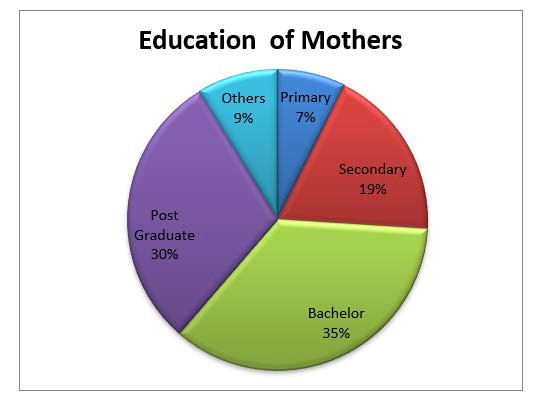
Figure 1: Pie Chart Showing the Educational Level of Mothers in Ilorin West
Table 1 shows the education levels of mothers in Ilorin West Local Government Area. It can be observed that 11 (7.3%) of the mothers acquired primary education, 28 (18.7%) acquired secondary education, 53 (35.5%) acquired tertiary education, 45 (30.0%) acquired postgraduate education,
while only 13 (8.7%) acquired other types of education. The majority of the mothers in the study area acquired tertiary education, while the smallest proportion acquired only primary education.
Table 2: Occupations of Mothers
Occupation
Frequency
Percent (%)
Medical Practitioner
31
20.7%
Trader
28
18.7%
Teacher
30
20.0%
Freelancer
16
10.7%
Others
45
30.0%
Source: Fieldwork, 2023
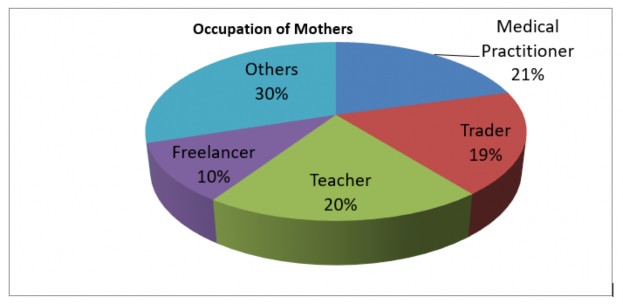
Figure 2: Pie Chart Showing the Occupations of Mothers in Ilorin West
The occupations of mothers in Kwara State's Ilorin West Local Government Area are displayed in Table 2. Just 31 mothers (20.7%) worked as doctors, 28 mothers (18.7%) as traders, 30 mothers (20.0%) as teachers, 16 mothers (10.7%) as independent contractors, and 45 mothers (30.0%) worked in other professions. It is evident that the majority of mothers in Ilorin West Local Government Area held various jobs, with the smallest proportion working as independent contractors.
Table 3: Number of Children
Number of children
Frequency
Percent (%)
0-1
19
12.7%
2-3
71
47.3%
4-5
45
30.0%
6 and above
15
10.0%
Source: Fieldwork, 2023
Table 3 shows the number of children owned by the mothers in Ilorin West Local Government Area, Kwara State. Nineteen (12.7%) of the mothers have between 0-1 children, 71 (47.3%) have between 2-3 children, 45 (30.0%) have between 4-5 children, while only 15 (10.0%) have 6 or more children.
Table 4: Income of Mothers
Income
Frequency
Percent (%)
Less than N20,000
14
9.3%
N21,000-N50,000
48
32.0%
N51,000-N100,000
47
31.3%
N100,000 and above
41
27.3%
Total
150
100%
Source: Fieldwork, 2023
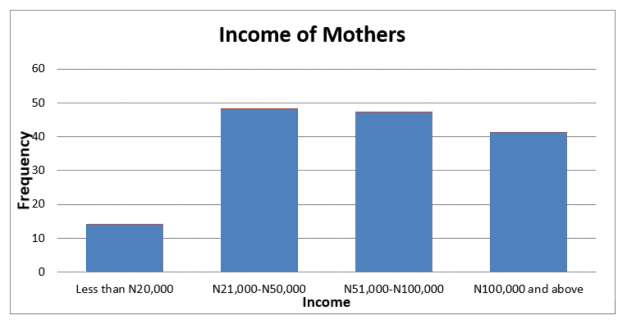
Figure 4: Bar chart Showing the Income of Mothers in Ilorin West
Table 4 shows the income of mothers in Ilorin West Local Government Area, Kwara State. Only a few, 14 (9.3%), of the mothers earned less than N20,000, while the majority earned between N21,000 and N50,000, which aligns with the basic salary of a bachelor’s degree holder in Nigeria. Additionally, 47 (31.3%) of the mothers earned between N51,000 and N100,000, while 41 (27.3%) earned N100,000 and above.
Research Question 1: What is the level of knowledge of mothers on causes, prevalence and consequences of malnutrition among under five children in Ilorin West LGA, Kwara State?
Table 5: Mean and Standard Deviation of the Level of Knowledge of Mothers on Malnutrition
Strongly Agree
Agree
Disagree
Strongly Disagree
Mean
Std. Dev
Decision
Malnutrition primarily affects children under the age of five
79
(52.7%)
58
(38.7%)
6
(4.0%)
7
(4.7%)
3.39
0.78
High
A balanced diet with a variety of food groups is crucial for a child's growth and development
95
(63.3%)
51
(34.0%)
3
(2.0%)
1
(0.7%)
3.60
0.57
High
Lack of access to nutritious food is a significant cause of malnutrition
89
(59.3%)
59
(39.3%)
2
(1.3%)
0
(0.0%)
3.58
0.52
High
Malnutrition can lead to stunted growth and impaired cognitive development in children
52
(34.7%)
76
(50.7%)
16
(10.7%)
6
(4.0%)
3.16
0.77
High
Malnutrition can weaken a child's immune system, making them more susceptible to diseases
90
(60.0%)
55
(36.7%)
4 (2.7%)
1
(0.7%)
3.56
0.59
High
Poverty and food insecurity contribute to the prevalence of malnutrition
79
(52.7%)
47
(31.3%)
15
(10.0%)
9
(6.0%)
3.31
0.88
High
Breastfeeding provides essential nutrients and plays a vital role in preventing malnutrition
99
(66.0%)
42
(28.0%)
6 (4.0%)
3 (2.0%)
3.58
0.67
High
Grand Mean
3.91
High
Source: Fieldwork, 2023 (Key: < 2.0 Low; >2.0 High
Table 5 shows the frequency, mean, and standard deviation of the level of knowledge of mothers on malnutrition. Malnutrition primarily affects children under the age of five (Vittal, 2019). The mothers in Ilorin West provided their responses on their knowledge of malnutrition. The mothers are aware that malnutrition primarily affects children under the age of five, with a mean score of (3.39); a balanced diet with a variety of food groups is crucial for a child's growth and development, with a mean score of (3.60); lack of access to nutritious food is a significant cause of malnutrition, with a mean score of (3.58); malnutrition can lead to stunted growth and impaired cognitive development in children, with a mean score of (3.16); malnutrition can weaken a child's immune system, making them more susceptible to diseases, with a mean score of (3.56); poverty and food insecurity contribute to the prevalence of malnutrition, with a mean score of (3.31); and breastfeeding provides essential nutrients and plays a vital role in preventing malnutrition, with a mean score of (3.58). However, the grand mean of (3.91), which is above the benchmark of (2.0), implies that the level of knowledge of mothers in Ilorin West Local Government Area, Kwara State, was high. This indicates that mothers are aware of what malnutrition is and are also aware of its causes, prevalence, and consequences.
Research Question 2: What are the common practices known to mothers in Ilorin West towards mitigating childhood malnutrition?
Table 6: Mean and Standard Deviation of the Common Practices Known to Mothers in Ilorin West towards Mitigating Childhood Malnutrition
Items
Strongly Agree
Agree
Disagree
Strongly Disagree
Mean
Std. Dev
Decision
Exclusive breastfeeding for the first six months is an effective way to reduce the risk of malnutrition in infants.
90
(60.0%)
53
(35.3%)
7
(4.7%)
0
(0.0%)
3.55
0.59
4th
Introducing a variety of nutrient-rich foods to a child's diet after six months helps prevent malnutrition.
93
(62.0%)
49
(32.7%)
6
(4.0%)
2
(1.3%)
3.55
0.64
4th
Regularly providing fruits and vegetables to children promotes their overall nutritional well-being and reduces the risk of malnutrition
94
(62.7%)
56
(37.3%)
0
(0.0%)
0
(0.0%)
3.63
0.49
1st
Ensuring access to clean drinking water and hygienic food preparation practices are essential for preventing malnutrition.
95
(63.3%)
54
(36.0%)
1
(0.7%)
0
(0.0%)
3.63
0.50
1st
Seeking timely medical care and advice from healthcare professionals can help identify and address malnutrition in children.
88
(58.7%)
58
(38.7%)
4
(2.7%)
0
(0.0%)
3.56
0.55
6th
Engaging in proper food storage and preservation techniques helps maintain the nutritional value of food and minimize the risk of malnutrition.
72
(48.0%)
68
(45.3%)
6
(4.0%)
4
(2.7%)
3.39
0.69
7th
Empowering mothers with knowledge about proper sanitation and hygiene practices reduces the risk of infections that can lead to malnutrition.
96
(64.0%)
52
(2.0%)
2 (1.3%)
0 (0.0%)
3.63
0.51
1st
Grand Mean
3.56
Source: Fieldwork, 2023 (Key: < 2.0 Low; >2.0 High)
Table 6 above shows the frequency, percentage, mean, and standard deviation of the common practices known to mothers in Ilorin West Local Government Area mitigating childhood malnutrition. The major common practices known to mothers for mitigating childhood malnutrition include: regularly providing fruits and vegetables to children, which promotes their overall nutritional well-being and reduces the risk of malnutrition; ensuring access to clean drinking water and hygienic food preparation practices, which are essential for preventing malnutrition (Vittal, 2019); and empowering mothers with knowledge (Nayak et al ., 2018) about proper sanitation and hygiene practices, which reduces the risk of infections that can lead to malnutrition, all with the same mean score of (3.63). These are followed by exclusive breastfeeding for the first six months, which is an effective way to reduce the risk of malnutrition in infants and introducing a variety of nutrient-rich foods to a child's diet after six months, which helps prevent malnutrition, both with a mean score of (3.55). Next to this is seeking timely medical care and advice from healthcare professionals, which can help identify and address malnutrition in children, with a mean score of (3.56). The least common practice known to mothers is engaging in proper food storage and preservation techniques, which helps maintain the nutritional value of food and minimize the risk of malnutrition, with a mean score of (3.39). However, the grand mean of (3.56), which is above the benchmark of (2.0), shows that the knowledge of mothers on common practices towards mitigating childhood malnutrition is high. This implies that mothers are aware of the practices for mitigating childhood malnutrition in Ilorin West LGA.
Research Question 3: What are the sources of Knowledge of Malnutrition on childhood Malnutrition in Ilorin West Local Government Area Kwara State?
The results of the analysis of mothers' sources of information about child malnutrition in Ilorin West LGA are displayed in Table 7. The primary source of information for mothers about malnutrition is the medical community, with a mean score of 3.43. This is followed by educational programmes, with a mean score of 3.39. Public health campaigns rank next, with a mean score of 3.30, followed by parenting books and guides, which have a mean score of 3.04. Online resources and family and friends follow, with a mean score of 2.71. In Ilorin West LGA, the least reliable source of information regarding childhood malnutrition for mothers is social media influencers (Ozuem et al., 2024). Consequently, it is evident that mothers in Ilorin West primarily learn about childhood malnutrition from medical professionals, while social media influencers provide the least amount of information.
Table 7: Mean and Standard Deviation of the Sources of Knowledge of Mothers on Childhood Malnutrition
Items
Strongly Agree
Agree
Disagree
Strongly Disagree
Mean
Std.
Deviation
Decision
Healthcare Professionals
77
(51.3%)
62
(41.3%)
9
(6.0%)
2
(1.3%)
3.43
0.67
1st
Parenting Books and Guides
48
(32.5%)
65
(43.3%)
32
(21.3%)
5
(3.3%)
3.04
0.82
4th
Family and Friends
17
(11.3%)
79
(52.7%)
47
(31.3%)
7
(4.7%)
2.71
0.73
6th
Online Resources
51
(34.0%)
66
(44.0%)
20
(13.3%)
13
(8.7%)
3.03
0.91
5th
Social Medial Influencers
12
(8.0%)
59
(39.3%)
58
(38.7%)
21
(14.0%)
2.41
0.83
7th
Public Health Campaigns
62
(41.3%)
74
(49.3%)
11
(7.3%)
3
(2.0%)
3.30
0.70
3rd
Educational Programs
71
(47.3%)
69
(46.0%)
8
(5.3%)
2
(1.3%)
3.39
0.65
2nd
Source: Fieldwork, 2023
The results of the analysis of mothers' sources of information about child malnutrition in Ilorin West LGA are displayed in Table 7. The primary source of information for mothers about malnutrition is the medical community, with a mean score of 3.43. This is followed by educational programmes, with a mean score of 3.39. Public health campaigns rank next, with a mean score of 3.30, followed by parenting books and guides, with a mean score of 3.04. Online resources and family and friends follow, with a mean score of 2.71. In Ilorin West LGA, the least reliable source of information regarding childhood malnutrition for mothers is social media influencers (Ozuem et al., 2024). Consequently, it is evident that mothers in Ilorin West primarily learn about childhood malnutrition from medical professionals, while social media influencers provide the least amount of information.
DISCUSSION
The study reveals high levels of maternal knowledge about malnutrition among mothers in Ilorin West Local Government Area, Kwara State. This finding aligns with recent global and regional trends that emphasize maternal awareness as a key factor in child health. UNICEF (2020) data indicate that nearly half of all deaths in children under five are attributed to malnutrition, underscoring the vital role of maternal knowledge in preventing and managing undernutrition, especially in high-burden areas like Sub-Saharan Africa. Stunting, for instance, which affects approximately 22% of children globally, is significantly impacted by early childhood nutrition (Otele et al., 2020).
The study also highlights effective practices adopted by mothers to combat malnutrition, such as regularly incorporating fruits and vegetables and maintaining hygiene in food preparation. These practices mirror recent findings that stress the positive impact of dietary diversity and food safety on children’s growth and development (Forh et al., 2022; Islam et al. 2025). According to the guidelines of WHO (2023), maternal education on nutrition—including safe food handling and the importance of dietary variety—plays a crucial role in reducing the rates of wasting and stunting among children in low-resource settings.
Mothers in the study primarily rely on healthcare professionals for nutritional guidance, favoring them over less regulated sources like social media. This is consistent with recent findings from studies showing that mothers often trust and value advice from healthcare experts, which is linked to better-informed nutritional choices for children. This trust is crucial, as information from healthcare providers is typically evidence-based and helps mothers implement effective practices. Nsiah-Asamoh et al. (2019), Degu et al. (2022), and Griauzde et al. (2020), Astawesegn et al. (2025) emphasize that while social media can be a useful platform, its content varies widely in reliability, evidence-based practice and expert-led guidance remains central for health-related decision-making.
Regarding the influence of education, findings showed that higher maternal education levels correlate positively with greater awareness of malnutrition risks and preventive measures. This aligns with the findings of Mathur and Pillai (2019); Ssewanyana et al. (2022) and Mastoloni et al. (2026), who found that educated mothers are often more aware of diverse feeding practices and are more proactive in health-seeking behaviors. However, this study also showed that education level did not impact the knowledge of specific practices for mitigating malnutrition, suggesting that certain essential practices are widely understood regardless of education level. Elmighrabi et al. (2023) support this, suggesting that while education enhances some aspects of child nutrition awareness, basic malnutrition prevention practices may be well-known across educational backgrounds.
Finally, the study revealed a significant relationship between maternal knowledge of malnutrition and the application of preventive practices. This relationship is echoed in Nayak et al. (2018); Hosen et al. (2023), who found that mothers with greater awareness of malnutrition risks tend to adopt effective measures more frequently. Recent guidelines by WHO (2024) emphasize that improved maternal understanding of malnutrition directly translates into better child health outcomes by encouraging behaviors that mitigate undernutrition risks. The consistent positive correlation between knowledge and practice in preventing malnutrition stresses the need for ongoing maternal education as part of public health strategies to combat malnutrition in children (Mathur & Pillai, 2019).
Limitations
The limitation includes lack of awareness and mother's misinformation poor communication with health care provider, Inadequate focus on early childhood development, Poor feeding practices, lack of time on resources for meal preparation by the mothers, inadequate health services and support, cultural belief and practices and limited access to education.
Future Scope
This includes training mothers by using behavioral change strategies, advocating for policy changes, raising public awareness, comprehensive early childhood development programme using data-driven in research and data collection on maternal knowledge and practices, promoting positive feeding habits, collaborations with government and NGO to subsidy access to nutrition- specific products, improvement on maternal nutrition knowledge before birth, pre-natal education programme, integration of nutritional education in school and healthcare system, initiating community-based programme and social support network and finally using mobile application and online platform to educate mothers.
CONCLUSION
Based on the findings of the study, it can be concluded that mothers of children under five in Ilorin West Local Government Area, Kwara State, have a high level of knowledge about malnutrition. They are aware of the major practices to mitigate childhood malnutrition and primarily rely on healthcare professionals as a trusted source of information. Maternal education is positively related to knowledge about malnutrition, but it does not significantly influence the adoption of common practices to address malnutrition. However, there is a strong correlation between mothers' knowledge and the practices they employ to mitigate malnutrition among children under five. The significance of the present study includes prevention of malnutrition, enhanced optimal breastfeeding practices, improved child health and development, better feeding choices and nutrient diversification, reduction of mortality and morbidity, and finally empowerment of mothers.
RECOMMENDATION
The study concludes with several key recommendations to address childhood malnutrition. Health authorities and organizations should continue to implement educational programs and public health campaigns to enhance mothers' knowledge of malnutrition. Healthcare professionals must actively provide guidance and information to mothers on preventing childhood malnutrition. Public health initiatives should emphasize the importance of regularly including fruits and vegetables in children's diets. Educational interventions should be inclusive, targeting mothers from all educational backgrounds to ensure accurate information is widely disseminated. Additionally, social media influencers should be encouraged to share evidence-based content on childhood malnutrition to reach a broader audience. Lastly, further research is needed to explore additional variables that may influence the successful implementation of standard practices aimed at combating undernutrition in children.
Conflict of Interest
The authors declare that they have no conflict of interest.
ACKNOWLEDGEMENT
Authors are thankful to the Chief Medical Director, Dr. Ahmed Bola, Department of Orthopedic Kwara State University Teaching Hospital, Ilorin, Kwara State, Professor Abdullah Dasilver, of University of Ilorin Teaching Hospital Ilorin, Prof. Faoziyat Adenike Sulaiman, HOD of the Department of Biochemistry University of Ilorin.., Professor Adeboye Muhammad Nurudeen of the pediatric department and Provost College of Education, University of Ilorin Teaching Hospital Ilorin, Mr Imam Abubakar Ayinla from Al-Hikmah, University Department of Nursing and Mrs. Busari University of Ilorin Teaching Hospital, Epidemiology department are all well recognized for their individual contributions to this work.
REFERENCES
Astawesegn, F. H., Ahmed, K. Y., Thapa, S., Mahmood, S., Anyasodor, A., Huda, M. M., ... & Ross, A. G. (2025). Limited evidence to fully determine the implementation of evidence‐based practice by healthcare providers in Africa: A systematic review and meta‐analysis. Journal of Evidence‐Based Medicine, 18(2), e70032. https://doi.org/10.1111/jebm.70032
Degu, A. B., Yilma, T. M., Beshir, M. A., & Inthiran, A. (2022). Evidence-based practice and its associated factors among point-of-care nurses working at the teaching and specialized hospitals of Northwest Ethiopia: A concurrent study. PloS One, 17(5). https://doi.org/10.1371/journal.pone.0267347
Demissie, S., & Worku, A. (2013). Magnitude and factors associated with malnutrition in children 6-59 months of age in pastoral community of Dollo Ado district, Somali region, Ethiopia. Science Journal of Public Health, 1(4), 175-183. https://doi.org/10.11648/j.sjph.20130104.12
Djoumessi, Y. F. (2022). The impact of malnutrition on infant mortality and life expectancy in Africa. Nutrition, 103, 111760. https://doi.org/10.1016/j.nut.2022.111760
Elmighrabi, N. F., Fleming, C. A., & Agho, K. E. (2023). Wasting and Underweight in Northern African Children: Findings from Multiple-Indicator Cluster Surveys, 2014- 2018. Nutrients, 15(14), 3207. https://doi.org/10.3390/nu15143207
Forh, G., Apprey, C., & Agyapong, N. A. F. (2022). Nutritional knowledge and practices of mothers/caregivers and its impact on the nutritional status of children aged 6–59 months in Sefwi Wiawso Municipality, Western-North Region, Ghana. Heliyon, 8(12). https://doi.org/10.1016/j.heliyon.2022.e12330
Griauzde, D. H., Kieffer, E. C., Domoff, S. E., Hess, K., Feinstein, S., Frank, A., ... & Pesch, M. H. (2020). The influence of social media on child feeding practices and beliefs among Hispanic mothers: A mixed methods study. Eating Behaviors, 36, 101361. https://doi.org/10.1016/j.eatbeh.2019.101361
Hosen, M. Z., Pulok, M. H., & Hajizadeh, M. (2023). Effects of maternal employment on child malnutrition in South Asia: An instrumental variable approach. Nutrition, 105, 111851. https://doi.org/10.1016/j.nut.2022.111851
Islam, B., Ibrahim, T. I., Wang, T., Wu, M., & Qin, J. (2025). Current trends in household food insecurity, dietary diversity, and stunting among children under five in Asia: a systematic review. Journal of global health, 15, 04049. https://doi.org/10.7189/jogh.15.04049
Mastoloni, E. M., Tucker, A., French, E., Coelho, D. H., & N3C consortium. (2026). The Nutritional Impact of COVID‐19‐Induced Olfactory Dysfunction. OTO open, 10(1), e70201. https://doi.org/10.1002/oto2.70201
Mathur, P., & Pillai, R. (2019). Overnutrition: Current scenario & combat strategies. Indian Journal of Medical Research, 149(6), 695-705. https://doi.org/10.4103/ijmr.ijmr_1703_18
Mohseni, M., Aryankhesal, A., & Kalantari, N. (2017). Factors associated with malnutrition among under five-year-old children in Iran: a systematic review. Annals of Tropical Medicine and Public Health, 10(5), 1147–1158. http://dx.doi.org/10.4103/ATMPH.ATMPH_668_16
National Nutrition and Health Survey (2015). Report on the nutrition and health situation of Nigeria. https://www.unicef.org/nigeria/media/1521/file/Nigeria-national-nutrition-and-health- survey-2015.pdf.pdf
Nayak, B. S., Unnikrishnan, B., George, A., Shashidhara, Y. N., & Mundkur, S. C. (2018). Mothers Knowledge on Malnutrition: Community based Cross Sectional Study. Indian Journal of Public Health Research & Development, 9(1). https://doi.org/10.5958/0976-5506.2018.00007.4
Nsiah-Asamoh, C., Kwadwo, K., Pereko, A., & Initful, F. (2019). Nutritional counseling interaction between health workers and caregivers of children under two years: Observations at selected child welfare clinics in Ghana. BMC Health Services Research, 19(817). https://doi.org/10.1186/s12913-019-4692-y
Otele, D. O., Bunu, S. J., & Edoni, E. (2020). Mothers’ perception analysis on nutritional health and malnutrition among children under 5 years in the niger delta region. Asian Journal of Research and Reports in Gastroenterology, 2(1), 20-28. https://journalajrrga.com/index.php/AJRRGA/article/view/5/9
Ozuem, W., Willis, M., Ranfagni, S., Howell, K., & Rovai, S. (2024). Examining the role of social media influencers in service failure and recovery strategies: an empirical investigation of millennials' views. Information Technology & People, 37(5), 2035-2068. http://dx.doi.org/10.1108/ITP-05-2022-0371
Ssewanyana, D., Zhang, L., Martin, M. C., Proulx, K., Malti, T., Abubakar, A., & Lye, S. (2022). Health-seeking behaviors and childcare patterns in an informal settlement of Nairobi, Kenya: A cross-sectional study. PLOS Global Public Health, 2(7). https://doi.org/10.1371/journal.pgph.0000738
Streit, L. H., & Streit, E. (2018). Malnutrition: Definition. Symptoms and Treatment. https://www.healthline.com/nutrition/malnutrition
United Nations International Children’s Emergency Fund (UNICEF) (2020). COVID-19 and Children. https://data.unicef.org/covid-19-and-children/
Vittal, C. (2019). Protein energy malnutrition, for Medicos. https://www.slideshare.net/slideshow/protein-energy-malnutrition-for-medicos/152607058.
World Health Organization (WHO). (2023). Maternal, infant and young child nutrition. https://apps.who.int/gb/ebwha/pdf_files/EB154/B154_22-en.pdf.
World Health Organization (WHO). (2024). Malnutrition. https://www.who.int/news- room/questions-and-answers/item/malnutrition

Education
Frequency (f)
Percent (%)
Primary
11
7.3%
Secondary
28
18.7%
Bachelor
53
35.3%
Postgraduate
45
30.0%
Others
13
8.7%
Total
150
100
Occupation
Frequency
Percent (%)
Medical Practitioner
31
20.7%
Trader
28
18.7%
Teacher
30
20.0%
Freelancer
16
10.7%
Others
45
30.0%
Number of children
Frequency
Percent (%)
0-1
19
12.7%
2-3
71
47.3%
4-5
45
30.0%
6 and above
15
10.0%
Income
Frequency
Percent (%)
Less than N20,000
14
9.3%
N21,000-N50,000
48
32.0%
N51,000-N100,000
47
31.3%
N100,000 and above
41
27.3%
Total
150
100%
Strongly Agree
Agree
Disagree
Strongly Disagree
Mean
Std. Dev
Decision
Malnutrition primarily affects children under the age of five
79
(52.7%)
58
(38.7%)
6
(4.0%)
7
(4.7%)
3.39
0.78
High
A balanced diet with a variety of food groups is crucial for a child's growth and development
95
(63.3%)
51
(34.0%)
3
(2.0%)
1
(0.7%)
3.60
0.57
High
Lack of access to nutritious food is a significant cause of malnutrition
89
(59.3%)
59
(39.3%)
2
(1.3%)
0
(0.0%)
3.58
0.52
High
Malnutrition can lead to stunted growth and impaired cognitive development in children
52
(34.7%)
76
(50.7%)
16
(10.7%)
6
(4.0%)
3.16
0.77
High
Malnutrition can weaken a child's immune system, making them more susceptible to diseases
90
(60.0%)
55
(36.7%)
4 (2.7%)
1
(0.7%)
3.56
0.59
High
Poverty and food insecurity contribute to the prevalence of malnutrition
79
(52.7%)
47
(31.3%)
15
(10.0%)
9
(6.0%)
3.31
0.88
High
Breastfeeding provides essential nutrients and plays a vital role in preventing malnutrition
99
(66.0%)
42
(28.0%)
6 (4.0%)
3 (2.0%)
3.58
0.67
High
Grand Mean
3.91
High
Items
Strongly Agree
Agree
Disagree
Strongly Disagree
Mean
Std. Dev
Decision
Exclusive breastfeeding for the first six months is an effective way to reduce the risk of malnutrition in infants.
90
(60.0%)
53
(35.3%)
7
(4.7%)
0
(0.0%)
3.55
0.59
4th
Introducing a variety of nutrient-rich foods to a child's diet after six months helps prevent malnutrition.
93
(62.0%)
49
(32.7%)
6
(4.0%)
2
(1.3%)
3.55
0.64
4th
Regularly providing fruits and vegetables to children promotes their overall nutritional well-being and reduces the risk of malnutrition
94
(62.7%)
56
(37.3%)
0
(0.0%)
0
(0.0%)
3.63
0.49
1st
Ensuring access to clean drinking water and hygienic food preparation practices are essential for preventing malnutrition.
95
(63.3%)
54
(36.0%)
1
(0.7%)
0
(0.0%)
3.63
0.50
1st
Seeking timely medical care and advice from healthcare professionals can help identify and address malnutrition in children.
88
(58.7%)
58
(38.7%)
4
(2.7%)
0
(0.0%)
3.56
0.55
6th
Engaging in proper food storage and preservation techniques helps maintain the nutritional value of food and minimize the risk of malnutrition.
72
(48.0%)
68
(45.3%)
6
(4.0%)
4
(2.7%)
3.39
0.69
7th
Empowering mothers with knowledge about proper sanitation and hygiene practices reduces the risk of infections that can lead to malnutrition.
96
(64.0%)
52
(2.0%)
2 (1.3%)
0 (0.0%)
3.63
0.51
1st
Grand Mean
3.56
Items
Strongly Agree
Agree
Disagree
Strongly Disagree
Mean
Std.
Deviation
Decision
Healthcare Professionals
77
(51.3%)
62
(41.3%)
9
(6.0%)
2
(1.3%)
3.43
0.67
1st
Parenting Books and Guides
48
(32.5%)
65
(43.3%)
32
(21.3%)
5
(3.3%)
3.04
0.82
4th
Family and Friends
17
(11.3%)
79
(52.7%)
47
(31.3%)
7
(4.7%)
2.71
0.73
6th
Online Resources
51
(34.0%)
66
(44.0%)
20
(13.3%)
13
(8.7%)
3.03
0.91
5th
Social Medial Influencers
12
(8.0%)
59
(39.3%)
58
(38.7%)
21
(14.0%)
2.41
0.83
7th
Public Health Campaigns
62
(41.3%)
74
(49.3%)
11
(7.3%)
3
(2.0%)
3.30
0.70
3rd
Educational Programs
71
(47.3%)
69
(46.0%)
8
(5.3%)
2
(1.3%)
3.39
0.65
2nd